History 2
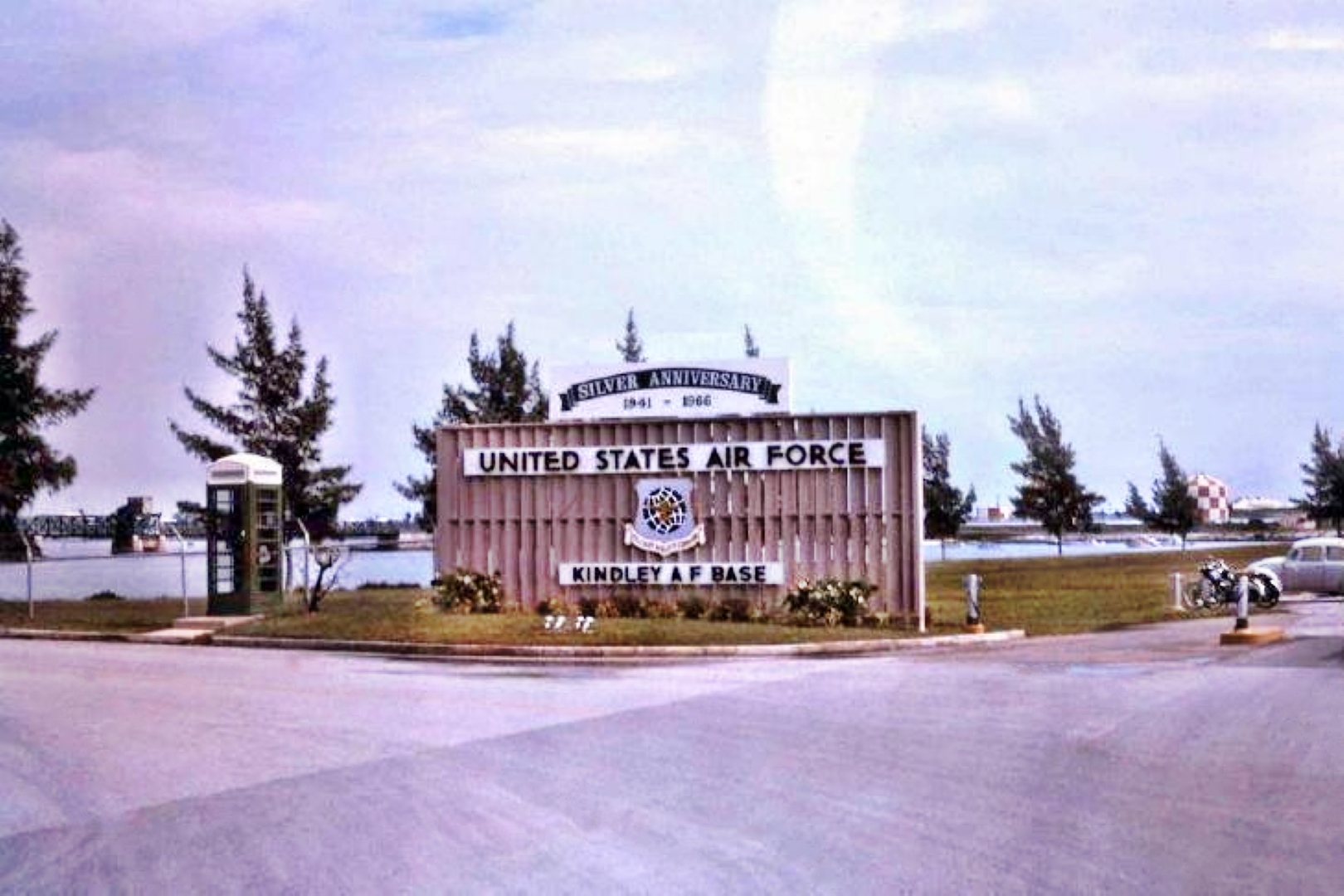
The airport was created when the US Army levelled Longbird Island and several smaller islands between 1941 and 1943,
to create a land-mass contiguous with St. David's Island.
This field was named Kindley Field in honor of Field E. Kindley, who served with the Royal Flying Corps during WW-I.
It was intended to be a joint US Army/Royal Air Force facility.
Prior to this, at the start of WW-II, there was RNAS Boaz Island and RAF Darrell's Island.
In 1947, it was renamed Kindley Air Force Base.
Reconnaissance flights, tracking Soviet shipping in the Atlantic, operated from here during the Cuban Missile Crisis.
Anti-submarine patrols also operated from Kindley AFB.
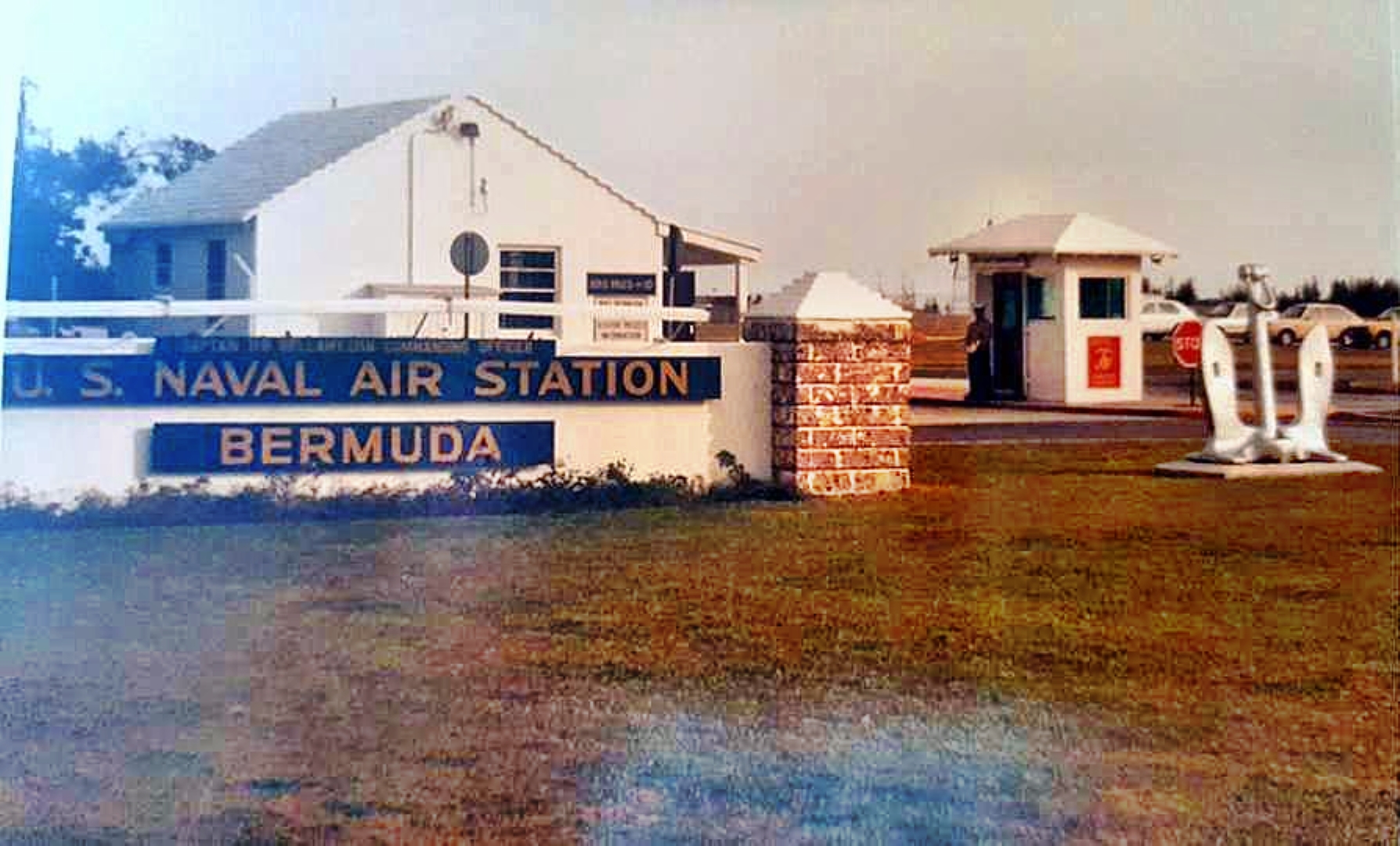
In 1970, the US Air Force relinquished Kindley to the US Navy, becoming NAS Bermuda.
The original NAS Bermuda to the west was renamed NAS Annex, serving primarily as a dock area for visiting U.S. naval vessels,
and as support facility for the nearby Naval Facility (NAVFAC) Bermuda that supported the Sound Underwater Surveillance System (SOSUS) activity.